Start with the property condition
For low pressure building washing, the first review should document the commercial facade, glass, entry, roofline, and high-visibility surfaces named in the property scope, visible staining, height, adjacent operations, water access, drainage, wind exposure, and the finish the property actually needs. A rinse, soft wash, contact detail, restoration treatment, and repair are different scopes. Recording those distinctions before a proposal helps the property team compare useful options instead of comparing equipment names alone.
Choose the method around the building
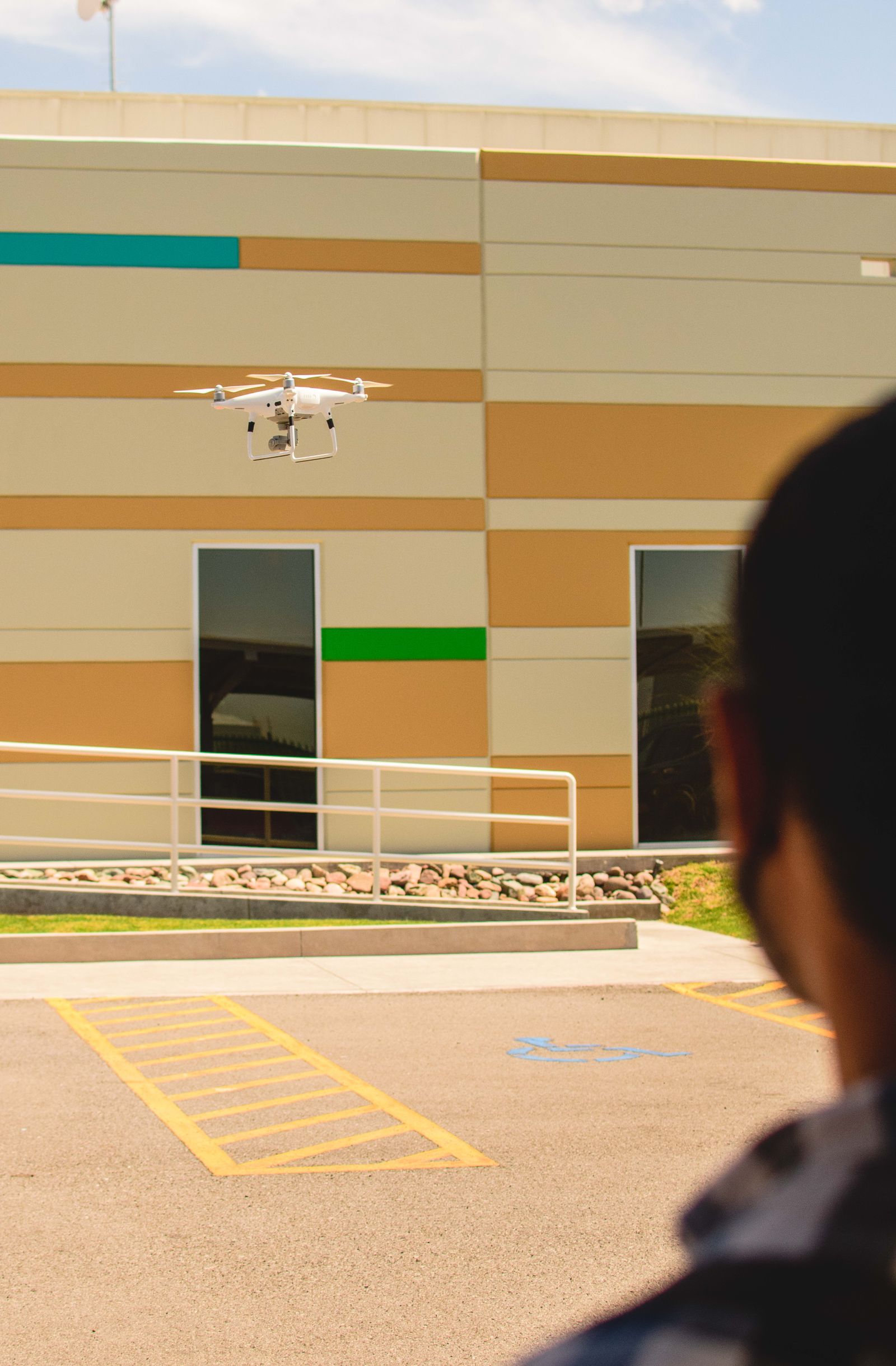
A property team comparing providers for low pressure building washing should compare the requested finish, surface risk, access plan, work window, water controls, and documentation before choosing a method. Drone-assisted wetting or rinsing may be appropriate for compatible areas with clear stand-off distance and a controlled ground zone, while lifts, poles, hand detail, or specialty trades may still be required for close-contact work. A responsible scope states those limits, explains weather and stop-work rules, and identifies how guests, tenants, vehicles, landscaping, doors, and public paths will be protected.
Turn the answer into a repeatable plan
What should a property team ask before hiring for low pressure building washing? Ask for the service zones, surface assumptions, access method, water and runoff controls, work window, exclusions, photo documentation, and follow-up cadence. The closeout should record what changed, what remained, and what the property should do next. That creates a useful maintenance record for owners, building engineers, facility directors, and local property teams in the market.