Start with the deposit, material, and maintenance result
A Phoenix roof edge can combine painted stucco, EIFS, concrete, masonry, metal coping, sealant joints, roof membrane, glazed entrances, signs, lighting, cameras, and drainage components within a few feet. Color and height do not establish compatibility. The site review should record apparent materials, coating condition, previous patches, open joints, corrosion, chalking, loose finishes, cracked components, and known leaks. A representative test reviewed after drying helps distinguish removable soil from oxidation, fading, mineral deposits, coating failure, or permanent staining.
Dust and ordinary atmospheric film may respond to controlled rinsing or material-compatible soft washing. Bird residue often needs more deliberate wetting, dwell, and containment, while thick accumulations or material with a health concern may require a specialized cleanup protocol. Cleaning does not restore sun-faded paint, reverse corrosion, reseal a parapet, repair a membrane, diagnose a leak, or certify structural condition. The quote should name the intended viewing-distance improvement, included components, deposits expected to remain, and any condition referred to a roofer, facade professional, pest or wildlife specialist, or other qualified provider.
- List each roof-edge material and adjacent finish instead of using one facade label.
- Photograph deposits, drainage points, repairs, and visible distress before wet work.
- Review a dried test area before approving the full method.
- Keep cleaning separate from repair, inspection, restoration, and bird exclusion.
Read Phoenix dust and monsoon evidence together
Desert dust does not arrive in one uniform layer. Open lots, active construction, traffic corridors, landscaping, roof work, and storm outflows can create different loads on opposite elevations of the same building. Horizontal coping and canopy tops capture material that a vertical wall may shed. When light rain follows a dry period, dust can form muddy tracks around scuppers, downspouts, parapet openings, and drip edges. Repeated runoff can then mark the visible wall or entrance glass below. Those patterns help define cleaning zones, but they do not prove why a coating changed color or where a roof leak began.
The National Weather Service Phoenix office identifies dust storms, downbursts, flash flooding, lightning, and heat among monsoon hazards. The City of Phoenix monsoon guidance specifically advises clearing roof drains and scuppers so rainwater does not accumulate. Cleaning should complement that property maintenance, not push loosened sediment into a drain and call the edge complete. Before washing, the team should coordinate with the facility contact about known roof drainage, remove manageable dry debris using an appropriate process, protect openings, and stop if incoming weather can overwhelm containment or make rooftop and aerial work unstable.
Plan for bird residue without spreading the problem
Protected canopy beams, sign bands, parapet returns, equipment screens, and recessed coping can become perching areas. Residue may fall onto walkways, vehicles, outdoor seating, loading zones, or lower finishes during cleaning. The assessment should map concentrations, what lies below, nearby air intakes and openings, and whether nests, eggs, live birds, or a larger infestation are present. Those findings can change the work window or require guidance beyond routine washing. Cleaning and bird deterrence are separate scopes.
Dry sweeping, aggressive air movement, and uncontrolled high pressure can disperse contaminated dust or fragments. A plan for compatible residue should define wetting, application control, personal protective measures, collection, equipment decontamination, and waste handling appropriate to the observed condition. Overspray protection must not direct runoff into an entrance or roof assembly. If the amount, location, species activity, or condition falls outside the contractor's cleaning protocol, the honest decision is to isolate the area and refer it rather than improvise from a lift or aircraft.
- Map residue concentrations and every occupied or sensitive area below them.
- Check for active nesting, air intakes, open windows, and food-service interfaces.
- Use a process designed to avoid aerosolizing or redistributing dry material.
- Treat recurrence prevention as a separate property-management decision.
Divide Phoenix properties into operating zones
Downtown and the Warehouse District can combine historic masonry or concrete, newer towers, hotels, venues, apartments, narrow sidewalks, rail activity, alleys, loading, and event traffic. Roosevelt Row and Midtown add active storefronts, offices, multifamily entrances, restaurants, and frequent pedestrian movement. In Camelback East, including the Biltmore and Arcadia areas, broad retail canopies, hotels, medical offices, landscaped setbacks, and mixed roof forms can create good access on one side and difficult tree, sign, or guest conflicts on another. These district patterns guide the questions; the actual parcel supplies the answers.
Deer Valley and North Phoenix properties may include warehouses, distribution buildings, office parks, dealerships, and larger shopping centers with wide rooflines but active truck or customer circulation. South Mountain and the airport-area corridors can add industrial uses, secure yards, loading canopies, and aircraft-related airspace considerations. Along I-17, Grand Avenue, or the I-10 corridor, traffic-facing edges may soil differently from protected courtyards. Each proposal should divide the property into entrance, street, parking, loading, courtyard, roof, and service-yard zones, then assign access, water controls, and operating times to each.
Control heat, sun, chemistry, and drying
Phoenix heat affects more than crew comfort. Sun-loaded metal coping and dark coatings can become much hotter than the surrounding air, accelerating evaporation and shortening useful dwell. Solution that dries before a controlled rinse can leave residue, produce uneven results, or tempt repeated application. Reflected heat from glazing, pavement, and light-colored roofs can make a shaded staging area feel very different from the work face. The field lead should evaluate surface condition, product directions, shade movement, wind, and rinse capacity before setting section size.
Work may move to cooler periods, rotate between shaded elevations, or pause when the test condition cannot be maintained. The schedule must still account for tenant access, lighting, and FAA requirements for a proposed drone operation. Products should suit the actual substrate and soil. Nearby metals, glazing coatings, plants, signs, roof membranes, sealants, and solar equipment may need separate protection and compatibility review. Stronger chemistry should not be used to conceal failed finishes.
- Check the working surface rather than relying only on reported air temperature.
- Set section size so application, dwell, and rinse remain controlled.
- Recheck protection as shade, wind, and roof drainage change.
- Pause when rapid drying prevents the approved test result.
Keep wash water out of unplanned destinations
Water applied at a parapet can cross coping, enter a scupper, run behind a sign, pool on a canopy, drain through a downspout, or carry soil down a visible wall long after the first pass. Once it contacts the building, it may contain dust, bird residue, cleaning product, coating particles, salts, or debris from the roof edge. The site walk should trace roof drains, overflow scuppers, leaders, area drains, curb inlets, landscaped depressions, retention features, and low points. No drain destination or disposal permission should be inferred from appearance.
Phoenix Water Services explains that the city uses separate sanitary and storm-drain systems and that stormwater can reach rivers, washes, and retention basins without wastewater treatment. Its business guidance calls for best management practices to reduce pollutants entering the storm-drain system, and its stormwater planning material asks whether building wash water is recovered and directed to an appropriate sanitary route. Those sources support conservative planning, but they do not approve a particular connection. The property and contractor should confirm the proposed collection, pretreatment, sanitary discharge, or off-site disposal route with the responsible authority for the actual waste stream.
Controls may include dry debris removal, small work zones, temporary diversion, inlet protection, vacuum recovery, solids separation, and storage with contingency capacity. Each needs monitoring: berms can leak, canopies can release stored water later, and solids filters do not remove every dissolved constituent. Work should stop for bypass, unexpected roof flow, changing residue, approaching rain, or a full recovery system. Closeout should record controls and disposition without making a compliance guarantee.
Choose access by edge, not by sales label
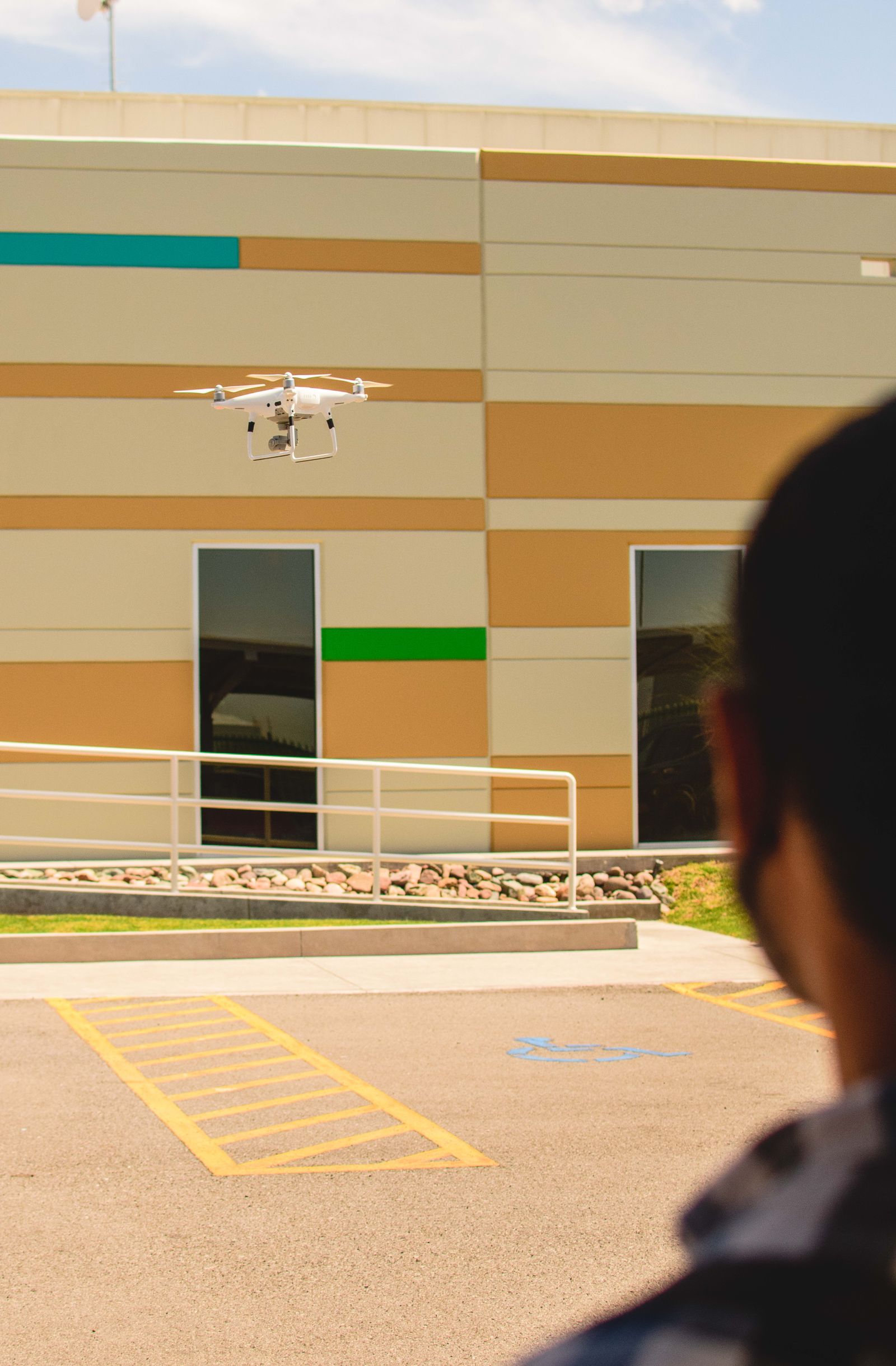
Drone-assisted delivery can fit a broad parapet face or canopy top when treatment works from a stand-off distance and the operation has suitable airspace, weather, sight lines, launch and recovery space, predictable spray, safe hose routing, and ground control. It is a poor fit for scraping, brushing tight returns, inspecting a membrane, or working near loose components. Sky Harbor, Deer Valley, and other regional aviation activity can affect an address. Current FAA requirements must be evaluated for the exact operation.
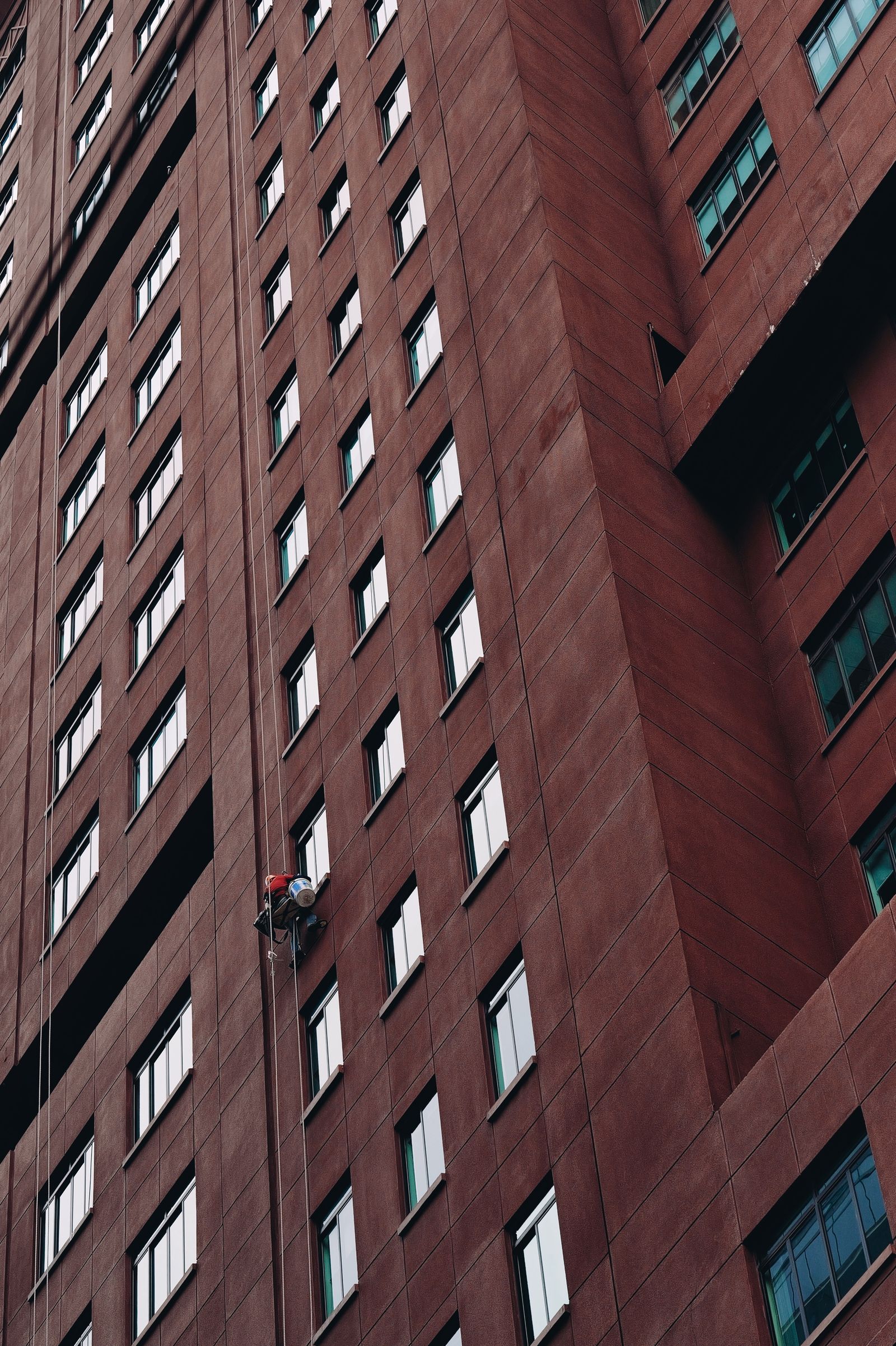
A lift may put a technician close enough for agitation and detail work, but it needs delivery access, adequate support surface, reach, overhead clearance, and room to protect traffic. Direct roof access, poles, or another specialized system may fit other zones when performed under the appropriate safety plan. The best scope can be hybrid: remote application on an open upper band, a lift at the entry canopy, and contact work at signs or scuppers. Property conditions, airspace, weather, material, and the required action decide feasibility; no access method should be promised before that review.
Request a quote that property operations can actually use
A quote should show the roofline zones, apparent materials, cleaning objective, test process, access method by zone, water source, runoff controls, operating window, exclusions, weather gates, and fallback method. Facility teams should also see how entrances, accessible routes, fire access, loading, parking, outdoor seating, security, and rooftop service work remain available. A service record can document completed zones, photographs, water controls, and conditions referred for follow-up, but it should not present cleaning observations as a roof or facade inspection.
For a Phoenix roofline, canopy, and parapet cleaning quote, send the address, current ground and safely available roof-level photographs, approximate heights, known materials, roof-access rules, active leaks or repairs, bird concerns, water and drain information, and tenant or delivery windows. Include the appearance wanted after drying and any important event date. That supports a workable scope instead of a price guessed from frontage.